
How Malaysia’s Federal Budget Gets Divided
Breaking down the major spending categories and how government allocates billions across different sectors each fiscal year.

What Is the Federal Budget?
Malaysia’s annual financial plan for government operations
The federal budget isn’t mysterious — it’s basically how Malaysia plans to collect and spend money each year. Think of it like a household budget, except on a national scale with billions of ringgit involved.
Every fiscal year, the government presents a budget showing where money comes from (revenue) and where it goes (expenditure). It’s divided into two main categories: operating expenditure for day-to-day running costs, and development expenditure for building new infrastructure and long-term projects.
Understanding this breakdown matters because it shows national priorities. You’ll see how much goes to education, healthcare, defense, infrastructure — everything that keeps the country running.
Government Revenue Sources
Income taxes, corporate levies, and oil royalties
Government revenue comes from several key sources. The largest chunk? Income taxes from workers and companies. When you earn a salary, part of it goes to the government. Same for corporations — they pay corporate tax on profits.
Petronas plays a massive role here. This national oil company pays royalties on petroleum extraction, contributing roughly 15-20% of total federal revenue in strong years. But here’s the catch — when oil prices drop, so does government income. That’s why Malaysia can’t rely solely on oil money.
Other revenue sources include:
- Excise duties on alcohol and tobacco
- Import and export tariffs
- Licenses and permits
- Investment returns from government holdings
- Service charges and administrative fees

The Two Types of Spending
Operating costs versus development investments
Operating Expenditure
Day-to-day government operations. Salaries for civil servants, utility bills for government buildings, maintenance costs, interest payments on national debt. This is what keeps the system running month to month.
Main components:
- Civil service salaries (~40% of operating)
- Debt servicing and interest
- Subsidies and social assistance
- Operational costs
Development Expenditure
Investment in future growth. New roads, hospitals, schools, technology infrastructure. These projects take years to complete but create lasting economic benefits and improve quality of life.
Main components:
- Infrastructure projects
- Education facilities
- Healthcare facilities
- Technology and innovation

Major Spending Categories
Where the biggest portions of the budget actually go
When you look at recent federal budgets (around RM350-400 billion annually), the allocation follows clear priorities. Education consistently receives the largest share — typically 15-20% of total budget. This includes teacher salaries, school infrastructure, and university funding.
Defense spending runs about 8-10%, covering military operations, equipment, and personnel. Healthcare gets roughly 5-7%, funding hospitals and medical services. Debt servicing often takes 10-15%, depending on how much money the government owes.
The remaining budget covers everything else: transportation infrastructure, agriculture, social welfare, government administration, and subsidies. Notice how much goes to subsidies — fuel, electricity, and food subsidies for lower-income groups.
Key insight: Operating expenditure typically takes 70-75% of the budget, while development spending gets 25-30%. This ratio matters because too much spending on operations leaves less for building new infrastructure.

Petronas and Government Revenue
Why oil company profits matter to your budget
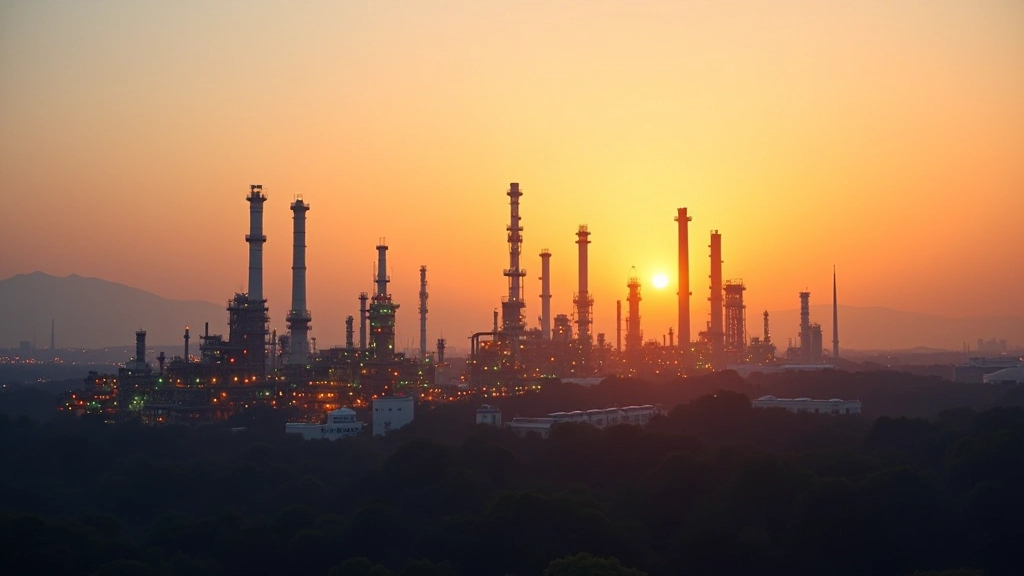
Petronas isn’t just a company — it’s a critical government revenue source. When oil prices are high, Petronas profits increase and government gets more royalties. When prices crash, government income drops. This volatility creates budgeting challenges.
Here’s how it works: Petronas extracts oil and gas from Malaysian waters. The government receives royalties (typically 5-10% of production value) and sometimes takes dividends from company profits. In 2022, for example, Petronas contributed over RM50 billion to government coffers when oil prices surged.
But relying heavily on oil revenue is risky. That’s why Malaysia’s trying to diversify income sources — developing tech sectors, increasing tax bases, and reducing dependency on petroleum. Countries that don’t diversify get stuck when commodity prices fall.
The takeaway: Petronas contributions directly affect how much money government has to spend on schools, hospitals, and infrastructure. Understanding this relationship helps you see why oil price fluctuations make headlines in financial news.
The Budget Approval Process
From proposal to implementation
Planning Phase
Ministry of Finance analyzes previous spending, economic forecasts, and government priorities. They’re basically saying: “Based on last year and current conditions, here’s what we’ll need.”
Proposal Development
Finance Minister presents the budget proposal to Parliament, usually in October. It’s typically a big event with detailed speeches about national priorities and economic outlook.
Parliamentary Debate
MPs discuss and debate the proposals. They might push for more funding in certain areas or question spending priorities. This is where political discussions happen.
Parliamentary Approval
Parliament votes to approve the budget. If it passes, it becomes official. The new fiscal year typically starts on January 1st, so budget approval usually happens by year-end.
Implementation
Government agencies receive their allocated funds and begin spending according to the approved budget. Regular audits track whether spending matches the plan.

What You Should Remember
Core concepts about Malaysia’s federal budget
Budget = National Priorities
The budget shows what government values. Education gets the biggest slice because it’s seen as investment in future workforce. Healthcare, defense, and infrastructure follow based on perceived importance.
Two Spending Types
Operating expenditure keeps things running today (salaries, utilities, debt payments). Development expenditure builds for tomorrow (roads, hospitals, schools). Both matter, but the balance between them affects long-term growth.
Petronas Matters
Oil company profits directly fund government spending. When oil prices rise, government has more money. When they fall, budgets get tighter. This dependency creates economic vulnerability.
Revenue Challenges
Government can’t spend more than it collects (ideally). Rising debt servicing costs eat into money available for new projects. Diversifying revenue sources reduces reliance on volatile oil income.
Understanding Budget Allocation Matters
Malaysia’s federal budget isn’t just numbers on a spreadsheet — it’s a reflection of national priorities and government planning. When you understand how it’s divided, you’re seeing the country’s choices about what matters most.
The budget shows that education, defense, and debt servicing take the biggest portions. It reveals Malaysia’s reliance on Petronas for revenue and the risks that come with it. It demonstrates the ongoing balance between keeping government running today (operating costs) and building for tomorrow (development projects).
Most importantly, you’re now equipped to follow budget discussions in the news with real understanding. When headlines announce a new budget, you’ll know what operating versus development expenditure means. You’ll understand why Petronas profits matter to government spending. You’ll recognize the political debates about budget allocation for what they really are — discussions about national priorities.
The federal budget affects you directly. Your taxes fund it. The quality of schools, hospitals, and infrastructure in your community depend on it. So understanding how those billions get divided isn’t just an academic exercise — it’s about seeing how government actually works.
Ready to dive deeper? Explore related articles on revenue composition, the Petronas-government relationship, and the differences between operating and development spending.
Important Disclaimer
This article provides educational information about Malaysia’s federal budget structure and spending allocation. The figures, percentages, and budget categories presented are based on publicly available information from recent fiscal years and are intended for general informational purposes only. Budget allocations and revenue contributions vary by year and are subject to change. For the most current and detailed budget information, please consult official sources from the Ministry of Finance Malaysia or Parliament. This content is not intended as financial advice, policy recommendations, or investment guidance.